
Beginner Tips for Composting at Home: A Simple Guide to Getting Started

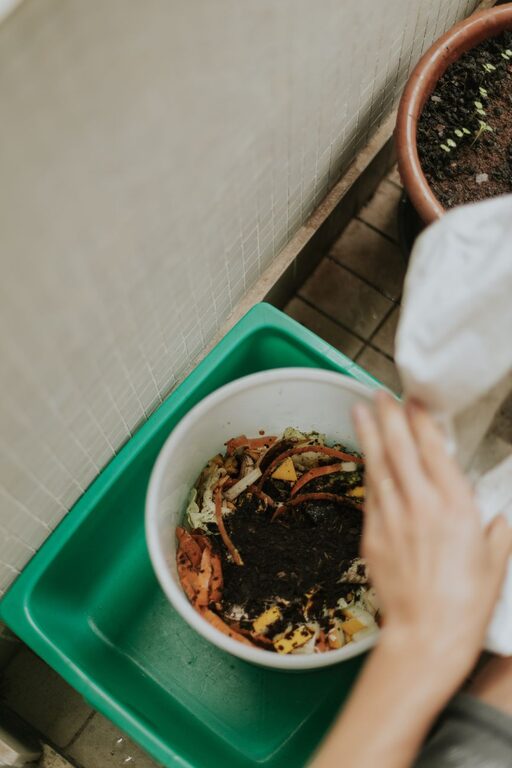
Composting at home is a rewarding way to reduce waste, enrich your garden soil, and contribute to a healthier environment. If you’re new to composting, it might seem a bit overwhelming at first, but with some simple guidelines, anyone can start turning kitchen scraps and yard waste into valuable compost. In this guide, we’ll cover beginner tips and best practices to help you get started on your home composting journey.
What is Composting?
Composting is the natural process of breaking down organic materials, like food scraps and yard waste, into a dark, crumbly substance called compost. This compost is rich in nutrients and can be used as a natural fertilizer to improve soil health and support plant growth.
Why Compost at Home?
– Reduce Waste: Composting diverts organic waste from landfills, where it would produce methane, a potent greenhouse gas.
– Improve Soil: Compost adds nutrients and organic matter to your garden soil, enhancing plant growth.
– Save Money: Using homemade compost reduces the need for chemical fertilizers.
– Support Sustainability: Composting helps close the nutrient loop and supports a more sustainable lifestyle.
Getting Started: What You Need
You don’t need fancy equipment to start composting. Here’s what you’ll need:
– A compost bin or pile: This can be as simple as a homemade pile in the backyard or a commercial compost bin.
– Organic waste: Kitchen scraps like vegetable peels, coffee grounds, eggshells, and yard waste like grass clippings and leaves.
– Water: To keep the compost moist.
– Patience: Composting can take several weeks to months, depending on conditions.
Choosing a Compost Bin
There are several options for composting containers:
– Open Pile: Simply create a pile in your backyard. It’s easy but less organized.
– Compost Bin: These come in many styles, such as tumblers or enclosed bins, which help control pests and speed up decomposition.
– Worm Bin (Vermicomposting): Uses worms to break down food scraps, great for indoor composting.
Choose the option that fits your space, needs, and lifestyle.
What Can You Compost?
Green Materials (Nitrogen-rich)
– Fruit and vegetable scraps
– Coffee grounds and tea bags
– Fresh grass clippings
– Plant trimmings
Brown Materials (Carbon-rich)
– Dry leaves
– Straw or hay
– Shredded newspaper or cardboard
– Wood chips or sawdust
Avoid Composting
– Meat, dairy, and oily foods (can attract pests and cause odors)
– Diseased plants
– Pet waste
– Synthetic materials (plastics, metals)
Tips for Effective Composting
1. Balance Greens and Browns
A good compost pile contains a balance of “green” nitrogen-rich materials and “brown” carbon-rich materials. Aim for roughly 2/3 browns to 1/3 greens. This balance helps microbes break down the material efficiently.
2. Chop or Shred Materials
Smaller pieces break down faster. Chop vegetable scraps and shred leaves or newspaper before adding to your pile.
3. Keep It Moist
Your compost pile should feel like a damp sponge—not too wet or dry. Water the pile occasionally if it’s dry, especially in hot weather.
4. Turn the Pile Regularly
Aerating your compost by turning it with a pitchfork or compost aerator every 1–2 weeks helps speed up decomposition and prevents odors.
5. Monitor Temperature
A healthy compost pile heats up as microbes work. If it’s not warming, try adding more greens or turning the pile.
6. Be Patient
Depending on your conditions and materials, compost can take anywhere from a few months to a year to be ready. Finished compost is dark, crumbly, and smells earthy.
Troubleshooting Common Composting Problems
– Bad Odors: Usually from too much moisture or too many greens. Turn the pile and add browns.
– Pests: Avoid adding meat or dairy and keep the pile covered. Use a closed bin if animals are a problem.
– Pile Not Heating Up: Add fresh greens, chop materials smaller, and turn more often.
– Compost Too Dry: Add water and green materials.
Using Your Finished Compost
Once your compost is ready, use it to:
– Mix into garden beds to improve soil fertility.
– Top-dress lawns to enrich grass growth.
– Potting mix ingredient for houseplants.
– Mulch around trees and shrubs.
Compost supports healthy plants by improving soil structure, moisture retention, and providing nutrients.
Final Thoughts
Starting composting at home is easier than you might think and offers many benefits for your garden and the environment. By following these beginner tips—balancing materials, keeping your pile moist and aerated, and practicing patience—you’ll be on your way to creating rich, healthy compost that helps your plants thrive.
Give it a try, and enjoy the satisfaction of turning your waste into garden gold! Happy composting!