How to Create a Relaxing Home Workspace for Better Focus

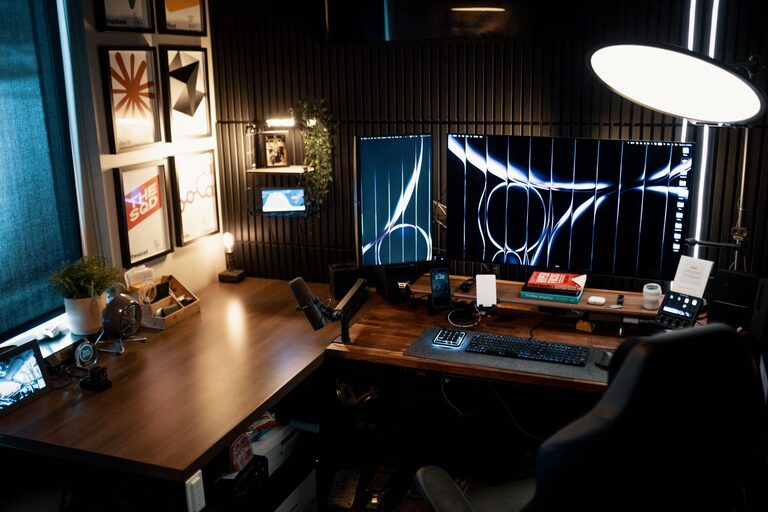
Creating a relaxing home workspace is essential for staying focused and maintaining a healthy work-life balance. Whether you’re working remotely full-time or just need a dedicated area for occasional tasks, an inviting and organized workspace can boost your productivity and reduce stress.
In this post, we’ll guide you through practical steps to design a home workspace that feels comfortable, inspiring, and conducive to concentration.
Why a Relaxing Workspace Matters
Your work environment has a significant impact on your mental well-being and efficiency. A cluttered, noisy, or uncomfortable space can cause distractions and fatigue, while a calm and well-organized setting encourages creativity and sustained focus. Taking the time to design your workspace thoughtfully not only helps with productivity but also improves your overall comfort during work hours.
Choose the Right Location
Find a Quiet Spot
Select a location in your home with minimal distractions. If possible, choose a room or corner away from busy areas like the kitchen or living room. Natural light and good ventilation can also make a big difference in comfort and alertness.
Consider Privacy
If your work requires frequent calls or video meetings, privacy is important. Use room dividers, curtains, or noise-cancelling headphones to create a more secluded environment.
Invest in Comfortable Furniture
Ergonomic Chair
An ergonomic chair supports your posture and reduces back strain during long work hours. Adjustable features like height, lumbar support, and armrests help customize your seating.
Desk Size and Height
Choose a desk that fits your needs and space. It should be tall enough to allow your arms to rest comfortably while typing and wide enough to hold your computer, notebooks, and other essentials.
Organize for Efficiency and Calm
Declutter Regularly
A tidy workspace reduces mental clutter. Keep only the items you need on your desk. Store extra supplies in drawers or organizers to maintain a clean look.
Use Storage Solutions
Shelves, filing cabinets, and drawer organizers help keep documents and stationery neatly arranged. Label storage bins to quickly find what you need.
Cable Management
Unruly cords can be distracting and unsightly. Use cable clips, sleeves, or boxes to keep cables organized and out of sight.
Add Soothing Elements
Natural Elements
Incorporating plants into your workspace can improve air quality and add a touch of nature, which has been shown to reduce stress.
Colors and Decor
Choose calming colors such as soft blues, greens, or neutrals for your walls and accessories. Personal touches like artwork or inspirational quotes can create a welcoming atmosphere without cluttering your space.
Lighting
Use a combination of natural and artificial light. Position your desk near a window when possible, and add task lighting like a desk lamp with adjustable brightness to reduce eye strain.
Establish a Routine and Boundaries
Set Work Hours
Having clear start and finish times helps maintain work-life balance. Stick to your schedule and avoid working in your relaxation areas outside those hours.
Take Breaks
Include short breaks to stretch, hydrate, or step outside. This helps refresh your mind and body throughout the day.
Limit Interruptions
Inform household members of your work hours to minimize disruptions. Use “do not disturb” signs or signals if necessary.
Keep Technology in Check
Use Quality Equipment
Invest in reliable technology such as a good monitor, keyboard, and mouse to make work easier and more comfortable.
Minimize Notifications
Turn off non-essential notifications to avoid distractions. Use apps or settings that help you focus by blocking interruptions during work sessions.
Final Thoughts
Creating a relaxing home workspace is about combining functionality with comfort. By carefully choosing your location, investing in ergonomic furniture, organizing efficiently, and adding calming elements, you can design a space that supports your productivity and well-being. Remember, a pleasant work environment encourages focus and makes working from home more enjoyable.
Start small and make gradual improvements until your workspace feels just right for you. Your mind and body will thank you!