
How to Plan Balanced Meals Without Stress: Simple Tips for Everyday Nutrition

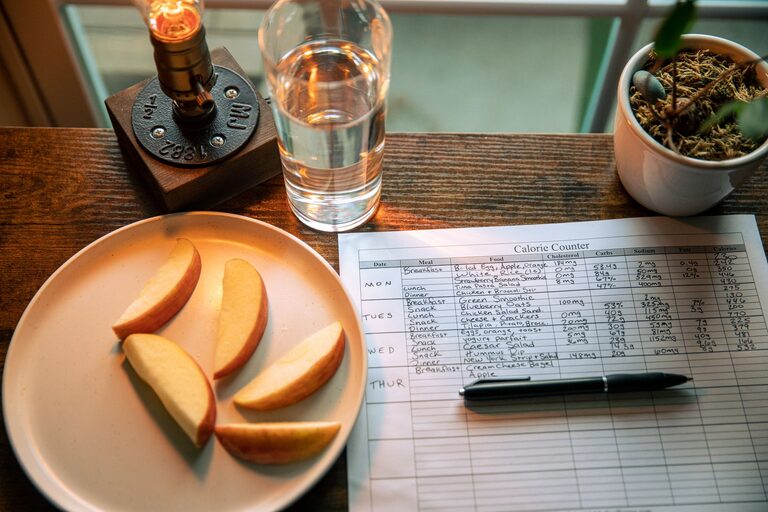
Planning balanced meals doesn’t have to be overwhelming or stressful. With a few simple strategies and a clear plan, anyone can enjoy nutritious, delicious meals every day. Whether you’re cooking for yourself, your family, or a group, the key is to keep things straightforward while ensuring your meals include all the essential nutrients your body needs.
In this post, we’ll explore practical steps to help you plan balanced meals without the hassle. From understanding what a balanced meal looks like to organizing your shopping and prepping efficiently, these tips are designed to make meal planning a breeze.
What Is a Balanced Meal?
Before diving into planning, it’s helpful to understand what a balanced meal entails. A balanced meal typically includes:
– Protein: Supports muscle health and keeps you full.
– Carbohydrates: Provide energy; focus on whole grains and fiber-rich options.
– Healthy Fats: Important for brain health and nutrient absorption.
– Vegetables and Fruits: Packed with vitamins, minerals, and fiber.
– Hydration: Water or other low-calorie beverages to stay hydrated.
A good rule of thumb is to fill half your plate with vegetables and fruits, one-quarter with lean protein, and one-quarter with whole grains or starchy vegetables.
Step 1: Set Realistic Goals for Your Meals
Start by asking yourself:
– How many meals do I need to plan each day?
– Are there dietary preferences or restrictions to consider?
– What’s my typical schedule like?
– How much time do I want to spend cooking?
Setting clear, realistic goals helps you focus on manageable meal planning. For example, if weekday evenings are busy, you might opt for quick or make-ahead dinners.
Step 2: Create a Flexible Meal Template
Having a basic meal framework makes planning quicker and less intimidating. Here’s a sample template for one day:
– Breakfast: Protein + whole grain + fruit
– Lunch: Lean protein + vegetables + whole grain or starchy vegetable
– Dinner: Protein + vegetables + healthy fat + whole grain or starchy vegetable
– Snacks: Fruit, nuts, yogurt, or vegetables with hummus
You can customize this template according to your tastes and nutritional needs.
Step 3: Build a Balanced Shopping List
Once you have your meal template and goals, draft a shopping list covering these categories:
– Proteins: Chicken, fish, beans, tofu, eggs, lean beef, lentils
– Whole Grains: Brown rice, quinoa, whole wheat bread or pasta, oats
– Vegetables: Leafy greens, carrots, peppers, broccoli, tomatoes
– Fruits: Apples, berries, bananas, citrus fruits, melon
– Healthy Fats: Avocado, nuts, seeds, olive oil
– Dairy or Alternatives: Yogurt, cheese, plant-based milks
Shopping with a list helps avoid impulse buys and ensures you have a variety of foods to make balanced meals.
Step 4: Plan Meals Around Ingredients You Enjoy
Focus on ingredients and recipes you like. This keeps mealtime enjoyable and reduces waste. For example, if you love stir-fry, plan meals featuring your favorite veggies and a protein like chicken or tofu. If you prefer salads, keep diverse greens and toppings on hand.
Step 5: Use Batch Cooking and Meal Prep
To reduce daily cooking stress, try these tips:
– Batch cook grains and proteins: Prepare large portions of rice, quinoa, beans, chicken, or tofu to use throughout the week.
– Chop vegetables ahead of time: Store them in containers for quick access.
– Prepare snacks in advance: Portion nuts, slice fruits, or make energy balls to grab on the go.
This approach saves time and keeps you on track with healthy eating.
Step 6: Keep Meals Simple and Versatile
Balanced meals don’t have to be complicated. Use simple cooking methods like roasting, steaming, or sautéing. Combine ingredients in different ways to create variety without extra effort. For example:
– Roasted veggies + quinoa + grilled chicken
– Stir-fried tofu + mixed vegetables + brown rice
– Salad with mixed greens, chickpeas, nuts, and vinaigrette
Step 7: Listen to Your Body and Adjust
Meal planning is flexible. If you feel hungrier or less hungry some days, adjust portion sizes. Don’t stress if you want occasional treats or if plans change. The goal is a sustainable, balanced approach that fits your life.
Bonus Tips for Stress-Free Meal Planning
– Use a meal planning app or calendar: Visualize your week and grocery needs.
– Cook once, eat twice: Plan recipes that can be repurposed (e.g., roasted veggies in a salad and a wrap).
– Keep pantry staples stocked: Canned beans, frozen vegetables, and whole grains make quick meals easier.
– Try meatless meals: Incorporate plant-based proteins to vary your diet.
– Stay hydrated: Don’t forget to drink water throughout the day.
Final Thoughts
Planning balanced meals without stress is achievable with the right mindset and tools. By understanding what a balanced meal looks like, setting realistic goals, and preparing ahead, you create a more enjoyable and nourishing eating routine. Keep your meals simple, flexible, and suited to your tastes, and you’ll find meal times become less of a chore and more of a pleasure.
Happy meal planning!